Infrastructure 2.0

Service-Based Infrastructure Funding

Infrastructure Partners (IP) deploys private capital to fund the modernization and replacement of critical infrastructure through a service-based model — eliminating the need for upfront capital and avoiding traditional debt structures.

IP
Not Debt. Not a Loan. Not a Bond.

Infrastructure 2.0 is structured as a service agreement — not a loan, bond, or lease. This approach creates a true off-balance-sheet solution with no debt obligations and no impact on credit capacity or bond ratings, while still enabling full infrastructure deployment.

How It Works

Zero-Debt Infrastructure for Public & Institutional Clients

Infrastructure Partners provides a fully integrated, off-balance-sheet solution for upgrading and replacing aging infrastructure.

Through Infrastructure 2.0, projects are structured as long-term service agreements — not capital purchases — allowing organizations to modernize essential systems without upfront investment.

IP funds 100% of the project scope, including design, engineering, equipment, installation, and long-term maintenance. Clients continue using the infrastructure while IP manages performance, reliability, and lifecycle accountability.

Fully Integrated Infrastructure Delivery

Performance, Efficiency & Long-Term Value

Infrastructure Partners transforms outdated and inefficient systems into modern, high-performance infrastructure designed for long-term reliability and cost efficiency.

Through disciplined engineering, strategic sourcing, and lifecycle-focused maintenance, IP delivers measurable performance improvements and total cost optimization across infrastructure assets.

Unlike traditional procurement models — including RFP-driven projects, bonded capital programs, leasing structures, or EPC contracts — Infrastructure 2.0 aligns capital, execution, and long-term service into a single, integrated solution.

Usage-Based Service Model

Costs are aligned with service delivery and infrastructure performance

No Long-Term Debt

Projects are structured without traditional financing or borrowing

Flexible Ownership Options

Clients may have pathways to asset ownership over time, depending on structure

No Impact on Credit or Bond Ratings

Preserves borrowing capacity and financial flexibility

iStock-1477430841-2
What We Deliver

Infrastructure Categories

Tree-lined urban canal and riverwalk at dusk

Water & Wastewater Infrastructure

Products & Systems Include:
– Smart Flow Metering
– Water Heating Systems
– Distribution & Irrigation Systems
– Sewer Infrastructure & Pumping Systems
– Wastewater Treatment Solutions
– Well & Water Supply Systems

Impact & Benefits:
Water infrastructure is one of the most critical components of modern communities. Infrastructure 2.0 enables the deployment of advanced water technologies that improve efficiency, visibility, and long-term sustainability.

Key benefits include:
– Real-Time Monitoring & Leak Detection
Identify and address system issues quickly to prevent loss and inefficiency

– Measurement & Performance Verification
Ensure accurate tracking of usage and system performance

– Optimized Operations
Improve system efficiency while reducing energy and operational costs

– Environmental Protection
Reduce waste, discharge impact, and long-term environmental risk

– Resource Conservation
Support sustainable use of water and energy resources

These improvements strengthen infrastructure resilience while supporting the long-term health and sustainability of communities.

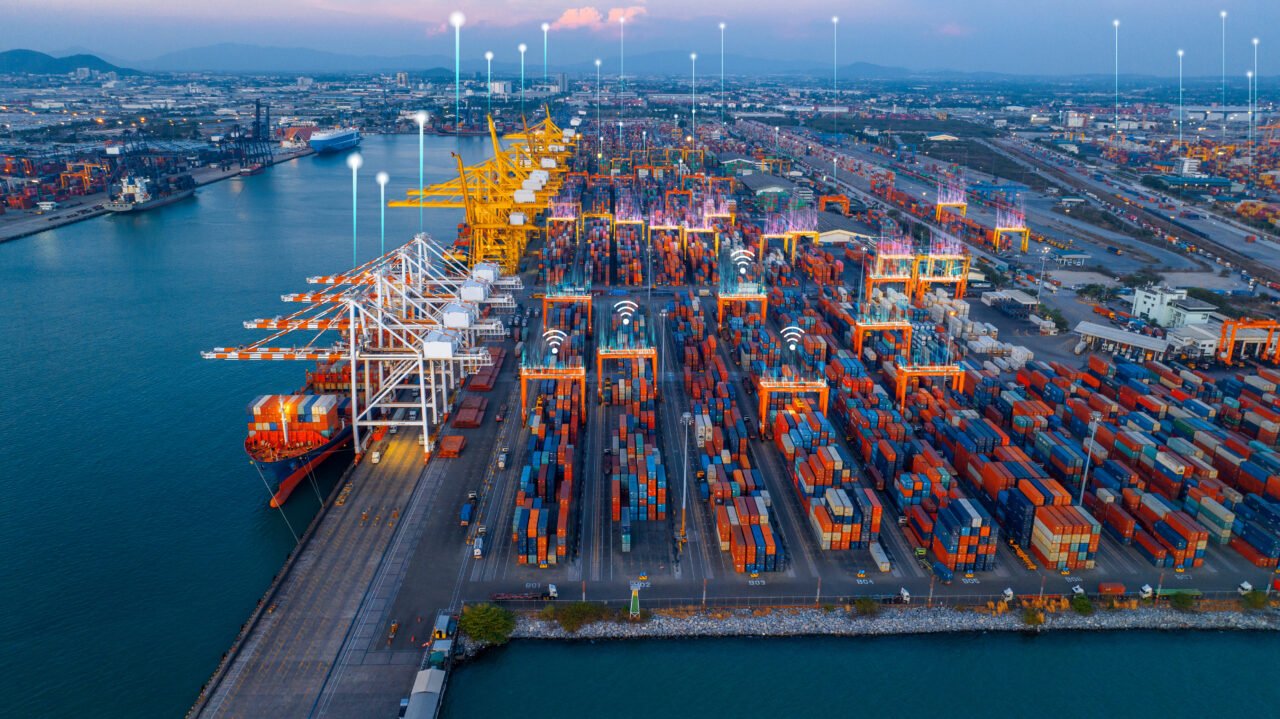
Ports

Ports, airports, and train stations are vital infrastructure components that enable global transportation and trade. However, these hubs often face significant challenges in achieving energy efficiency due to outdated and inefficient infrastructure. The reliance on legacy systems and equipment results in several key problems:

Many transportation hubs still utilize outdated lighting systems, heating and cooling technologies, and inefficient electrical equipment. These systems often exhibit poor insulation, leading to significant energy waste. Additionally, older infrastructure often lacks smart technology and automation, hindering the optimization of energy use and leading to unnecessary consumption.

When essential infrastructure assets are modernized, significant cost savings are achieved as old, unreliable, and costly assets are replaced. Origyn’s robustly engineered design requirements, direct procurement, and uncompromising maintenance yield real total cost savings, making Origyn a clear alternative to traditional purchase or public works procurement with financing, bonding, PPPs, renting, EPCs, and Shared Savings arrangements.


CLEAN TRANSPORTATION

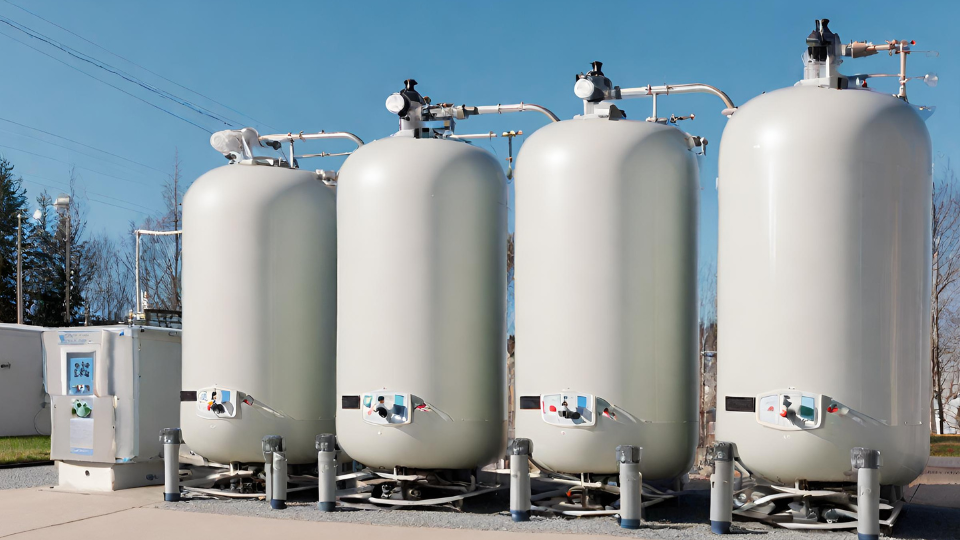
Our product offerings include Government Fleet Vehicles & Optimization, Charging Infrastructure, Trucks & Refuse Vehicles, and Compression Stations.

In the context of the United States, where approximately 45% of consumed petroleum is imported and transportation is responsible for over 70% of the country’s total petroleum usage, the potential for savings through alternative fuel sources is significant. By substituting merely 7% of the petroleum used annually in the U.S. with natural gas, consumers could see annual savings of $25.6 billion. This equates to a saving of $130.61 for every licensed driver each year.

While this figure is based on replacing just 7% of the oil consumption with natural gas, the savings could dramatically increase if the substitution rate were higher. For instance, replacing half of the current petroleum consumption with natural gas could result in annual savings of $182.9 billion, or nearly $1,000 for each driver per year.

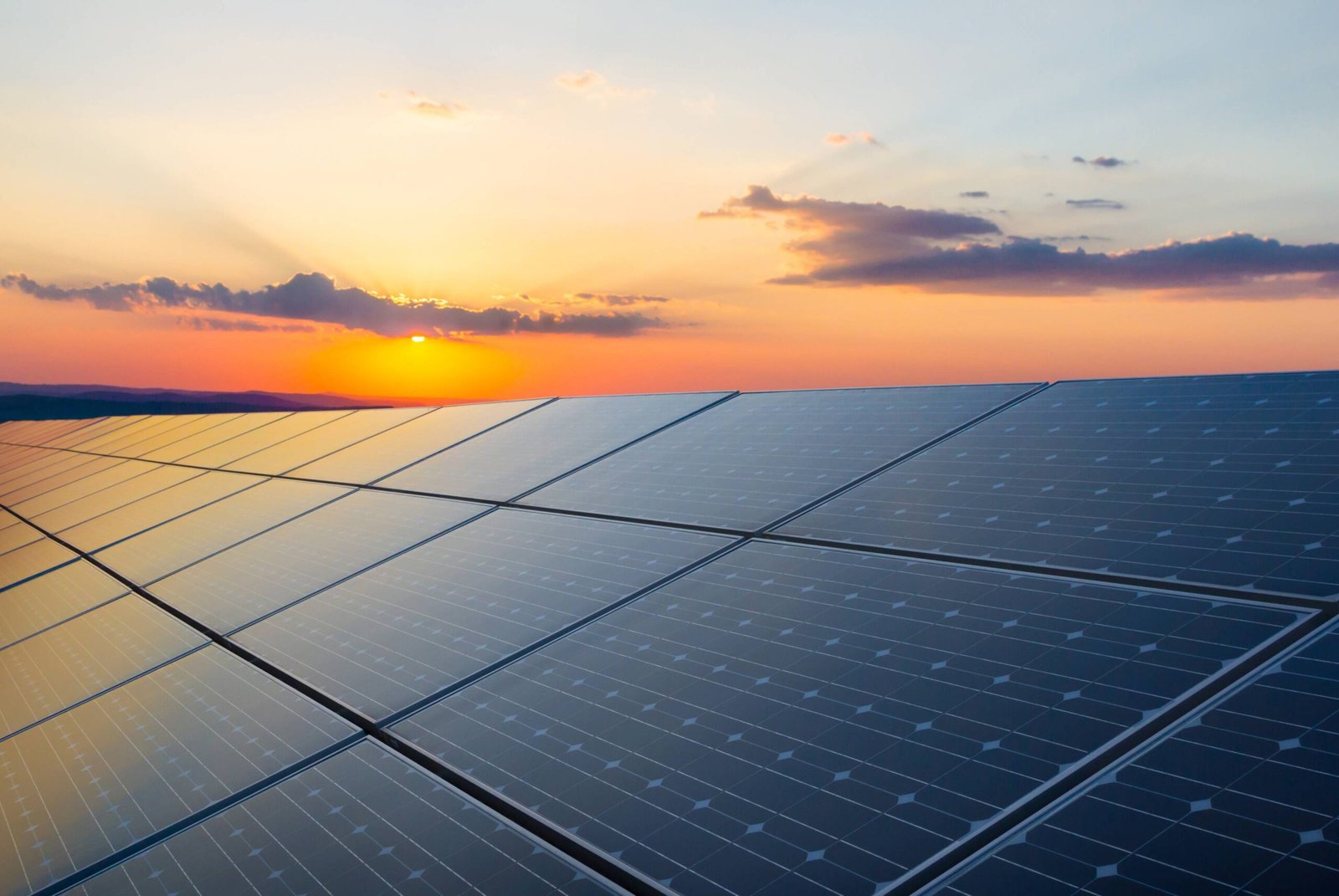
Large solar panel field at sunset

BUILDING ENERGY EFFICIENCY

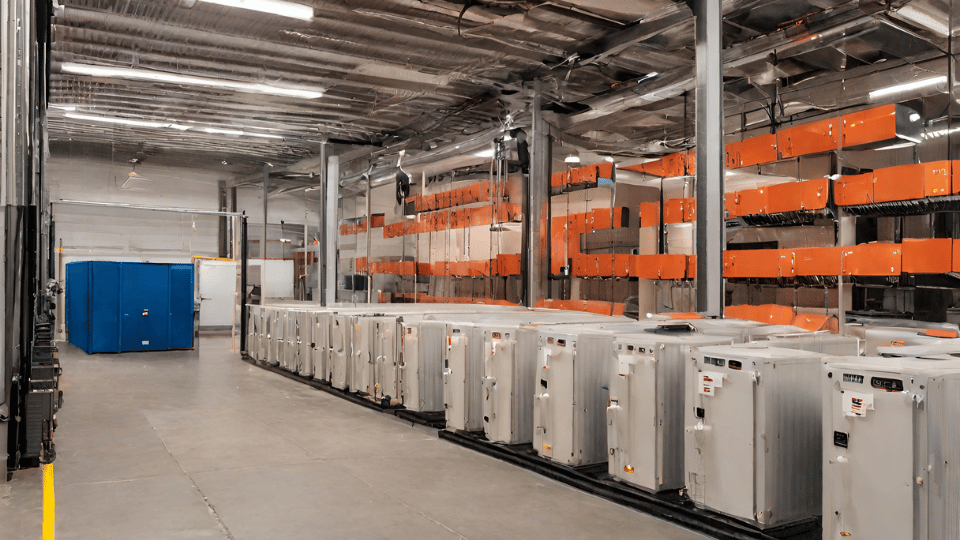
Our range of products encompasses a broad spectrum of modern facility solutions, including HVAC systems, Rooftop Units (RTUs), Cooling Towers, Air Handlers, Heat Pumps, Boilers, Pumps, Smart LED Lighting, and Occupancy Sensors. These products are designed to align with the LEED certification rating system, emphasizing efficiency, environmental friendliness, and cost-effectiveness.

Incorporating these products can significantly reduce energy consumption and operational costs. For instance, smart LED lighting and occupancy sensors work together to ensure lights are used only when needed, drastically cutting down electricity use. Similarly, advanced HVAC systems, RTUs, and cooling towers are engineered for optimum energy efficiency, providing superior temperature control and air quality with minimal energy waste. Heat pumps and boilers further contribute to energy savings by efficiently heating spaces using less energy compared to traditional systems.

The integration of smart controls, remote monitoring, and optimization software optimizes a building’s performance. These technologies enable real-time energy-saving updates, allowing for the proactive management of energy use. The result is a transformation from an inefficient building into an optimized, high-performance system that not only offers enhanced comfort but also achieves it at a significantly lower cost.

Through these sophisticated solutions, buildings can achieve a remarkable improvement in energy efficiency, sustainability, and occupant comfort, all while contributing to substantial cost savings over time.

Parks And Lighting

Products
Artificial Turf | Sports Fields | Parks | Recreational Centers

Energy Efficient Lighting

New, state-of-the art LED lighting enables you to increase playing time, heighten security, boost the local economy with new community events, and decrease maintenance all while savings money on energy.

Artificial Turf

Decrease maintenance and chemical use with artificial turf for safe, durable, long-term community use regardless of the weather.

The dramatic reduction in maintenance requirements, coupled with the elimination of water, fertilizer, and pesticide expenses, translates to substantial financial benefits. Additionally, the extended lifespan of artificial turf, typically lasting 15-20 years compared to natural grass’s frequent replacements, further enhances cost savings.

MOTORS

Products

VFD’s | ECM | Pumps | Induction

Impact

Replacing old motors with new technologies reduces power requirements due to the improved efficiency of the newer technology. Variable speed motors in pumping applications, like those in swimming pools, ponds, and other bodies of water, allow for proper water turnover at lower speeds while still providing necessary cleaning at high speeds.

The benefits of newer motor technologies extend beyond pumping applications. Variable speed drives, for example, can be coupled with motors in diverse settings, such as:

  • HVAC systems: Optimizing airflow and temperature control while minimizing energy consumption.
  • Industrial machinery: Adjusting motor speed to match production needs, enhancing efficiency and reducing wear and tear.
  • Elevators and escalators: Smooth and energy-efficient operation through precise control of motor speed.

POWER CONDITIONING & STORAGE

Products

Demand Charge (Stem) | Conditioning | Peak Storage | Batteries | Ultracaps

Impact

Power conditioning and storage upgrades offer significant advantages for modern businesses, addressing both peak demand challenges and safeguarding essential equipment.

1. Regulate Flow: Power conditioners filter out voltage fluctuations and spikes, providing clean, stable power for longer equipment lifespan, improved performance consistency, and reduced downtime.

2. Flatten the Peak: Power storage systems capture excess energy during off-peak hours and release it during surges, reducing peak energy consumption and lowering operational costs. They also serve as backup during outages, ensuring business continuity and preventing data loss.

3. Shield Your Assets: Power conditioners absorb harmful voltage spikes, protecting sensitive equipment from failures, data loss, and costly repairs.

Investing in conditioning and storage upgrades leads to:

  1. Enhanced equipment reliability and uptime
  2. Reduced energy costs
  3. Improved operational efficiency
  4. Increased data security and integrity
  5. Enhanced business continuity and resilience

CLEAN ENERGY GENERATION

Products

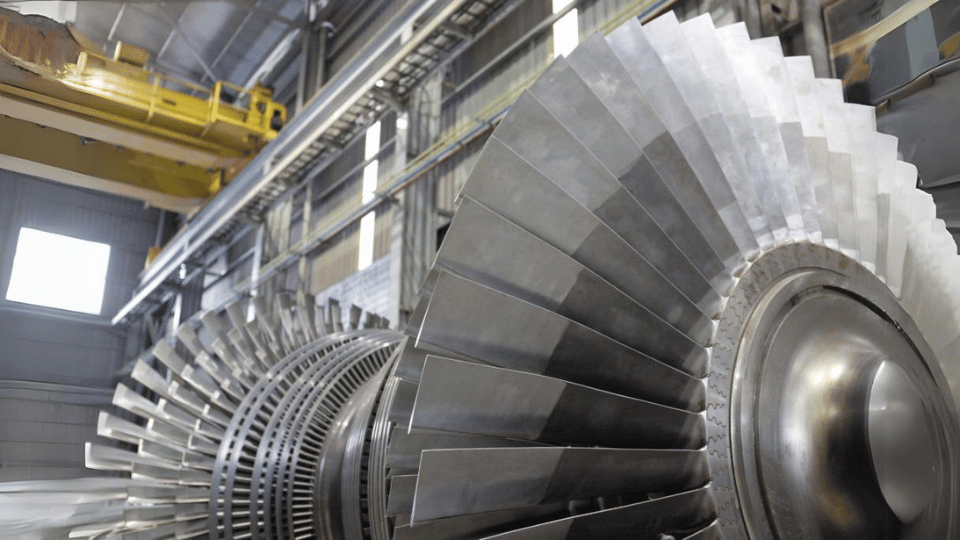
Solar Syngas Generator | Natural Gas Engine | Micro Turbine Electricity Generation | Fuel Cell CoGen

Impact

Natural gas is unique among our energy choices because we have vast domestic supplies and underutilized capacity. It plays a growing role in generating cleaner, affordable electricity for America’s homes and businesses. Current natural gas generation capacity is underutilized and natural gas is a highly attractive choice for building new capacity. Natural gas is also a strong complement to renewable energy, providing reliable power when the wind isn’t blowing or the sun isn’t shining.

Affordability: Natural gas remains one of the most affordable energy sources available. In 2022, the average residential price of natural gas stood at $12.65 per thousand cubic feet (Mcf), significantly lower than the average retail price of electricity at $14.07 per kilowatt-hour (kWh). This affordability translates to direct cost savings for both homeowners and businesses.

Clean Emissions: Compared to other fossil fuels, natural gas emits significantly less carbon dioxide and other air pollutants. This makes it a cleaner choice for electricity generation, contributing to improved air quality and reduced greenhouse gas emissions.

Reliable Complement to Renewables: With the increasing adoption of renewable energy sources like solar and wind, natural gas plays a crucial role in filling the gaps and ensuring grid stability. Natural gas-fired power plants can quickly ramp up and down to meet fluctuating energy demands, ensuring reliable power delivery when renewable sources are intermittent.

Start a Conversation

To learn more about how Infrastructure Partners can support your next infrastructure project, connect with our team.

Whether you are evaluating water systems, energy infrastructure, or broader capital improvement initiatives, Infrastructure 2.0 provides a structured, scalable path forward.


pexels-cottonbro-6814528