Platform · Process
How Infrastructure Partners Works
Five Stages, One Accountable Partner
Every Infrastructure 2.0 project follows the same path, from the first look at your data to performance verified over the life of the agreement.
Project Feasibility & Preparation
We start with your utility data, facility condition and objectives to see whether an opportunity exists and what it could look like.
Technical Underwriting
Systems are modeled against real load, rate and operating data before any capital is committed. If the savings or value can't be demonstrated, we don't proceed.
Structured Funding & Capital Deployment
Qualified projects are structured as long-term service agreements, with no upfront capital and no traditional debt.
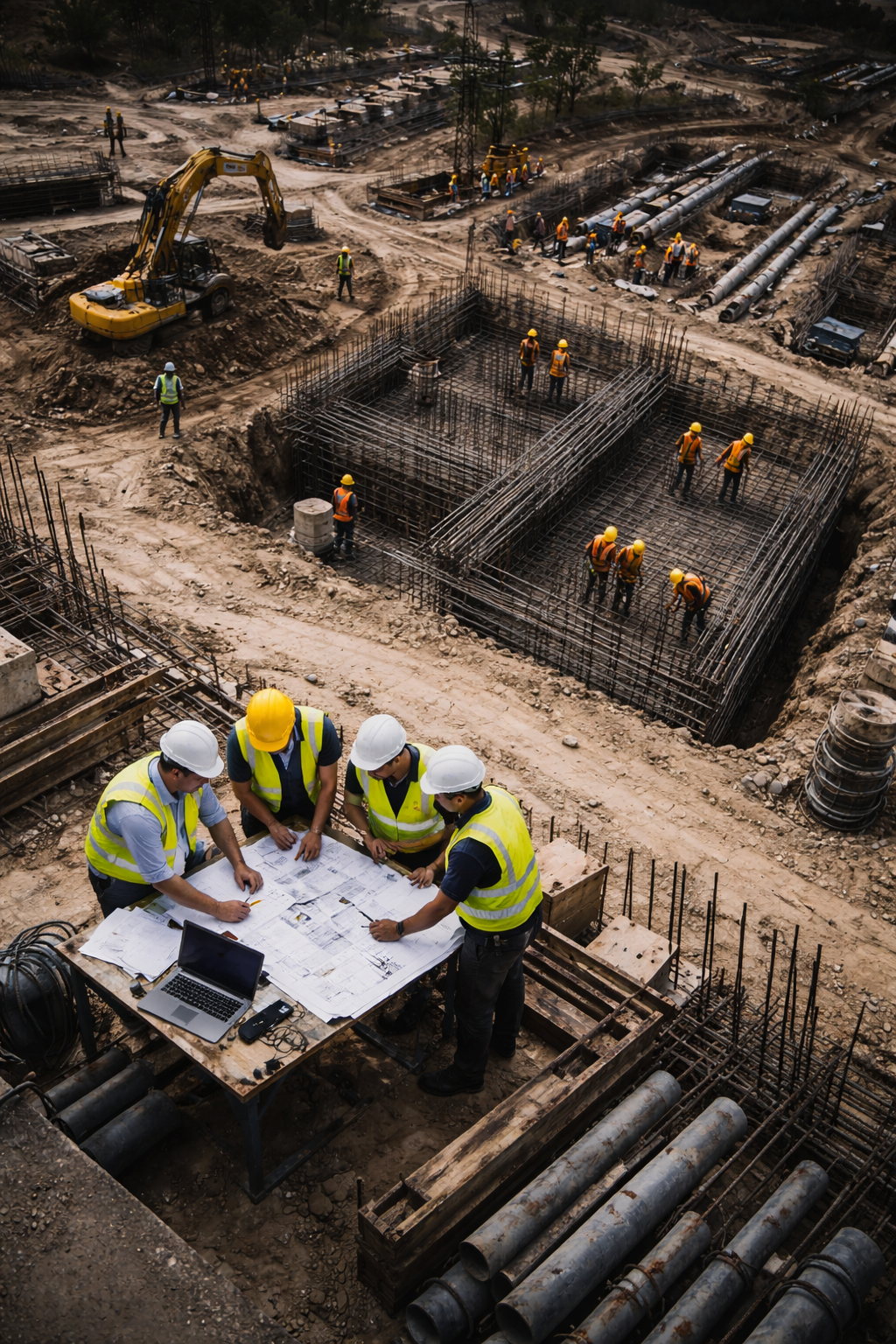
Engineered Construction & Implementation
Design, permitting, procurement and installation are coordinated through vetted engineering and construction partners, with a preference for U.S.-manufactured systems where feasible.
Long-Term Operations & Stewardship
Performance is monitored, verified and maintained through the term, so the infrastructure keeps delivering.
If the numbers don't support it, we'll tell you.
What We Need From You
- 12–24 months of utility bills
- Basic facility or asset information
- Your goals and constraints: budget cycles, board or council approvals, timelines
What You Can Expect
- A clear answer on fit
- No cost to evaluate
- No obligation
- If it doesn't make sense, we'll say so
FAQ
Common Questions
Start a Conversation